
Deep Dive
来自我们记者的行业洞察

Foundation Models Become a New Trend in Medical Devices, but Definitions and Value Remain Controversial
Over the past year, medical device companies such as GE HealthCare and Philips have launched or announced plans to build "foundation models" for imaging modalities like MRI, and the FDA is also exploring ways to flag such products when updating its AI device database. However, experts note that the definition of foundation models remains unclear, and it is difficult to determine whether existing tools truly help radiologists and patients. Stanford scholars believe that although foundation models hold potential in rare disease detection and accelerating AI development, their clear advantages have not yet been observed in the market.

$50 Billion Rural Health Fund Sparks Controversy: Experts Question Whether It Can Truly Benefit Rural Hospitals
CMS announced that the $50 billion rural health transformation program will open for applications next month. As an add-on to the 'One Big Beautiful Bill,' the program aims to mitigate the impact of Medicaid cuts on rural healthcare. However, experts hold differing views on the fund's allocation method, beneficiaries, and actual effectiveness, with some believing that the funds are unevenly distributed and may struggle to truly reach rural hospitals on the verge of closure.

White House Health Data Sharing Initiative: Ambitious, Lacking Details
The health data sharing initiative announced by the Trump administration last month aims to improve healthcare data interoperability through public-private partnerships, but experts believe the plan lacks sufficient details and faces multiple obstacles in implementation.

UnitedHealth-Amedisys Merger Clears Major Hurdle After DOJ Settlement
UnitedHealth Group's merger with Amedisys has finally reached an agreement with federal regulators after nearly three years of regulatory review. According to the settlement disclosed on Thursday, the $3.3 billion deal is expected to close in 2026. The Department of Justice required the divestiture of at least 164 facilities, which will be taken over by BrightSpring Health Services and Pennant Group. Analysts believe that although the settlement is weaker than expected in terms of competition protection, the deal is likely to proceed smoothly.

Trump administration pushes for pharmaceutical manufacturing reshoring, tech community responds to challenges
This spring, the Trump administration reiterated its call to bring pharmaceutical manufacturing back to the United States, sparking discussions on how to achieve this goal. Despite high costs and regulatory hurdles, technology experts believe that innovative manufacturing methods, such as continuous manufacturing and digital twins, could help domestic manufacturers compete with overseas suppliers.
340B Regulation May Face New 'Police,' Hospitals Worried
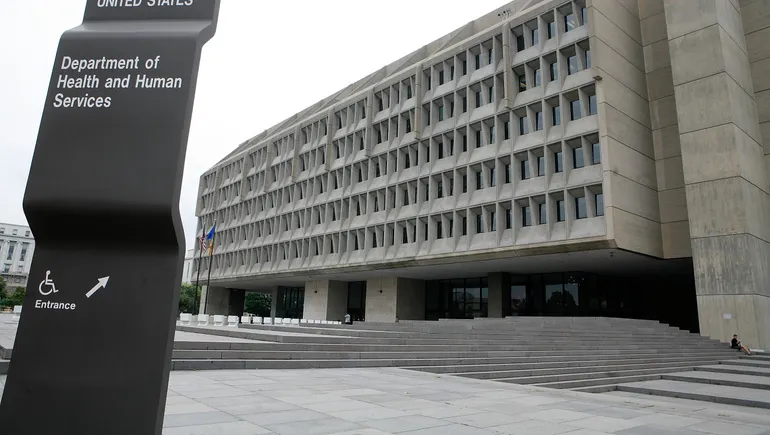
The Trump administration is pushing to transfer regulatory responsibility for the 340B drug discount program from HRSA to CMS, a move that could have far-reaching effects on the two-thirds of U.S. hospitals that rely on the program. CMS's past hardline stance on 340B, including reimbursement cuts in 2018 and restrictions on Medicaid reimbursement, worries providers. Experts note that the new regulator may focus more on cost control rather than protecting safety-net providers, but it could also improve program transparency and accountability.
U.S. House Committees Advance Budget Reconciliation Bill, Major Impact on Healthcare
This week, the U.S. House Energy and Commerce Committee (E&C) and the Ways and Means Committee each passed budget reconciliation bill text along party-line votes, covering provisions such as large-scale Medicaid cuts, adjustments to Affordable Care Act (ACA) subsidies, standardization of Individual Coverage Health Reimbursement Arrangements (ICHRA), pharmacy benefit manager (PBM) regulatory reforms, and hospital financial relief. According to preliminary estimates from the Congressional Budget Office, while the E&C provisions could save $625 billion, they may cause approximately 8 million Americans to lose insurance coverage. The bill will be sent to the House Budget Committee for integration.

Federal Medicaid Cuts Could Deliver 'Devastating Blow' to Healthcare Providers
The U.S. Congress is advancing a budget resolution that may involve cuts to Medicaid, requiring the House Energy and Commerce Committee to save $880 billion. Experts note that cuts of this magnitude would almost inevitably involve Medicaid. For safety-net hospitals, rural hospitals, and long-term care facilities that depend on the program, the impact could be 'devastating,' potentially forcing them to reduce services, lay off staff, or even sell off assets. This article analyzes the potential pathways of the cuts and their cascading effects on healthcare providers.

Federal Cuts Threaten Colorado Maternal Health Public Funding Program
HardBeauty, a Colorado nonprofit, provides peer support services to mothers in the Western Slope region through federal funding. In March 2025, the federal government prematurely terminated related grants, citing the end of the pandemic, prompting a lawsuit. Although a court ordered temporary restoration of funds, the program still faces uncertainty with weekly changes, impacting service delivery and staff livelihoods.

HHS report avoids explicitly endorsing conversion therapy but leans toward psychotherapy for adolescent gender dysphoria
On May 1, the U.S. Department of Health and Human Services (HHS) released a highly anticipated literature review recommending that medical providers prioritize behavioral therapy for patients under 19 with gender dysphoria, while broadly rejecting gender-affirming care options such as hormone therapy, puberty blockers, and surgery. Although the report makes no policy recommendations and is not a clinical guideline, it deviates from the standards of the World Professional Association for Transgender Health (WPATH), triggering strong backlash from the medical community.