
Opinion

America digitized healthcare. Now it’s time to connect it.
US healthcare digitization is largely complete, but electronic health records remain trapped in their respective systems. Former CMS Administrator Seema Verma writes that interoperability is not just a technical issue but also a matter of patient experience. As AI enters clinical practice, breaking down information barriers and achieving seamless flow of medical data has become a key task for the next phase.

Is Congress finally ready to stop subsidizing hospital consolidation?
MedPAC recently urged Congress to adopt site-neutral payment reforms to eliminate Medicare reimbursement differences between hospitals and independent physician clinics. The bipartisan Same Price, Lower Cost Act is expected to reduce costs for patients and taxpayers and slow the trend of hospital consolidation.

The unexpected upsides of vaccines
Facing growing vaccine skepticism, clinicians need to respond with the latest evidence. Studies from Stanford, Oxford, and others show that the shingles vaccine can reduce dementia risk by 20%, and the flu vaccine reduces cardiovascular events by 26%. These findings point to a 'trained immunity' mechanism, suggesting that the benefits of vaccines far exceed expectations.
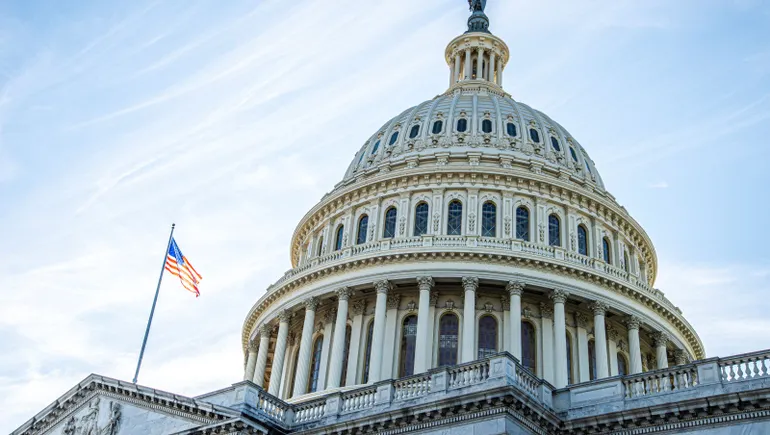
Healthcare faces congressional oversight heading into 2026 midterms and beyond
This analysis notes that as the 2026 midterm elections approach, congressional Democrats have begun preparing a framework for oversight investigations. If Democrats regain a majority, the healthcare industry will face broader congressional oversight, focusing on affordability, private equity, hospital consolidation, artificial intelligence applications, and potential conflicts of interest and federal contract reviews related to the Trump administration. The article advises healthcare companies to assess risks in advance and prepare responses.

Restoring balance to the No Surprises Act
Dr. Catherine Gaffigan, President of Health Solutions at Elevance Health, writes in response to comments by the CEO of the American Hospital Association, clarifying that its non-participating provider facility management policy is not about restricting medical services but addressing payment dynamics that drive up healthcare costs. The article cites data showing that the No Surprises Act's independent dispute resolution process is being exploited by some providers, including private equity-backed entities, leading to arbitration outcomes favoring providers and driving up premiums and out-of-pocket costs. Gaffigan calls on Congress and CMS to reform the IDR process and highlights new Indiana legislation as an example of a solution.

Keep care accessible and affordable for patients
Rick Pollack, President of the American Hospital Association, points out that Anthem Blue Cross Blue Shield's new facility management policy, effective January 1, 2026, requires hospitals in 12 states to ensure that all physicians treating Anthem-insured patients are in-network, or face a 10% payment reduction or risk of disenrollment. Pollack argues that this policy aims to circumvent the independent dispute resolution process of the No Surprises Act, placing hospitals under impossible obligations, and ultimately harming patients' access to care.

The healthcare claims system is ready for transformation. Here are 5 ways to prepare in 2026.
The healthcare claims system is facing a transformation opportunity. This article proposes five strategies for 2026 to reshape the claims process through AI-human collaboration, covering system integration, automated approval, explainable AI, cost transparency, and patient engagement.

New CBO report confirms 340B’s ballooning costs. Congress must act.
The Congressional Budget Office (CBO) has issued its first budget impact report on the 340B drug discount program, noting that it has expanded from a small federal program aiding a few safety-net hospitals into a massive subsidy involving thousands of nonprofit hospitals with annual expenditures nearing $70 billion, driving up healthcare costs and burdening patients and taxpayers. Former CBO Director Dan Crippen analyzes the causes of the cost surge (hospital consolidation, expansion of contract pharmacies, distorted incentives) and urges Congress to pass pending legislation to clarify patient definitions, ensure benefits reach low-income patients, limit contract pharmacy abuses, and enhance transparency, thereby restoring the program's original purpose and reducing the deficit.

Beyond one-size-fits-all: How ICHRA empowers employees and employers
With rising healthcare costs and changing workforce demographics, employer-sponsored insurance faces challenges. ICHRA, a model where employers contribute and employees purchase individual insurance on their own, is gaining attention. The article analyzes ICHRA's operational mechanism, policy developments (such as Indiana's tax credit and the federal CHOICE Arrangement Act), and highlights its advantages of personalization and portability, while noting the importance of employee support in implementation.

Drug innovation should benefit patients. PBMs are preventing that from happening.
Although the U.S. prescription drug market is constantly innovating, pharmacy benefit managers (PBMs), through opaque rebate mechanisms and formulary manipulation, impede access to low-cost alternatives like biosimilars, keeping drug prices high. Author Kathy Chang (head of trade relations at Blue Shield of California Health Plan) calls on health plans to bypass the traditional PBM supply chain and adopt direct contracting and value-based agreements to restore market competition and truly benefit patients with innovation.