
Deep Dive
来自我们记者的行业洞察

Cigna and Humana Merger: Long Review May Be Settled, Experts Say Approval Still Possible
According to the Wall Street Journal, health insurance giants Cigna and Humana are in talks to merge, potentially announcing a deal before the end of the year. Experts point out that the transaction will undergo a lengthy antitrust review, but given the limited business overlap, the possibility of final approval should not be overlooked.

Where Have All the Nurses Gone? Hospitals and Unions Clash Over the Staffing Crisis
Regarding the nurse staffing crisis in U.S. hospitals, hospital administrators call it a "nurse shortage," while unions and advocacy groups argue it is a failure of "safe staffing." The two sides diverge sharply on causes, naming, and solutions. Despite the number of nurses passing licensing exams increasing year over year and the total registered nurse population reaching 5.2 million, hospitals still face longer recruitment cycles and declining application volumes. Reasons for nurse turnover include burnout, excessive workloads, and pay mismatches. Some nurses have moved to non-traditional employers such as retail clinics and piercing studios. Hospitals have tried strategies like raising salaries, offering sign-on bonuses, partnering with nursing schools, and creating virtual nursing roles, but unions emphasize that only enforceable nurse-to-patient ratio limits can fundamentally retain talent.

Climate Resilience Construction Faces Dual Challenges of Cost and Uncertainty: How U.S. Hospitals Prepare for the Future
Climate change is increasing the frequency and intensity of extreme weather events, posing severe tests to the operations of U.S. hospitals. From 2000 to 2017, natural disasters forced hospitals to evacuate patients 114 times. Although climate resilience planning is crucial for ensuring medical services during disasters, the industry's financial difficulties, workforce shortages, uncertainty in climate projections, and the expanding geographic footprint of healthcare systems present significant obstacles to this critical preparatory work.

Can Blue Shield of California's Promise of a Simpler, Cheaper Drug Benefit Model Be Delivered?
Blue Shield of California announced in August that it will abandon the model of having CVS Caremark exclusively manage its pharmacy benefits, instead contracting separately with five different suppliers, expecting to save $500 million annually. This move is seen as a challenge to the traditional PBM industry, but experts are skeptical of its actual effectiveness, believing that difficulties such as coordinating multiple suppliers and maintaining customer satisfaction may cause the savings goal to fall short.

GLP-1 Weight-Loss Drug Coverage Dilemma: Employers Caught Between Cost and Employee Health
The application of GLP-1 receptor agonists in weight loss has sparked intense debate in the healthcare industry. Despite their significant efficacy, high costs and unclear long-term effects limit insurance coverage. Employers face a dilemma: they want to provide effective treatment for employees but worry about budget overruns. Data shows that over 40% of U.S. adults are obese, with projections reaching 50% by 2030, while currently only 25% of employers cover GLP-1 drugs, potentially rising to 43% in 2024.

Proliferation of digital health software may drive industry M&A consolidation
The surge in the number of software vendors in the digital health field has left buyers overwhelmed. Industry experts point out that amid a tightening financing environment, buyers prefer vendors offering comprehensive solutions, which may lead to more M&A deals.

Biden Administration's New Short-Term Health Insurance Rule: Will It Raise the Uninsured Rate?
The Biden administration proposes limiting the maximum coverage period for short-term health insurance plans to three months (extendable by one month), drawing opposition from free-market advocates and Republican lawmakers. Supporters argue the rule would restrict consumer choice and potentially raise the uninsured rate; health policy experts, however, note that the actual impact depends on whether consumers, after short-term plans expire, transition to the Affordable Care Act (ACA) marketplace or abandon insurance entirely. Multiple estimates suggest the number of affected individuals could range from 500,000 to 2 million.
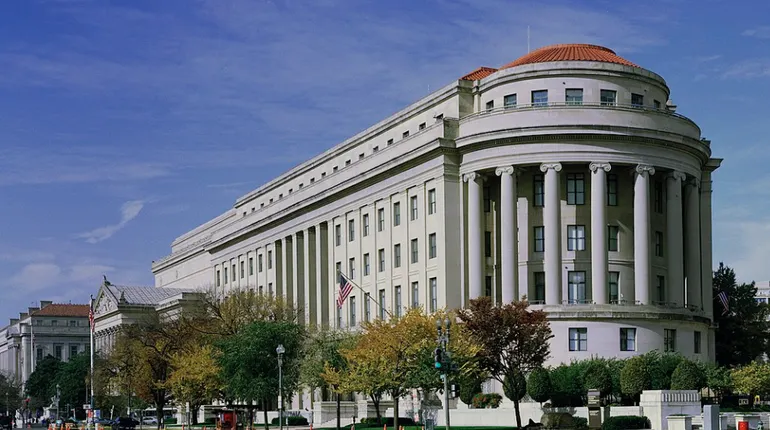
New Antitrust Merger Rules May Significantly Suppress Healthcare Industry Deal Activity
The Federal Trade Commission and the Department of Justice jointly released proposed revisions to merger guidelines, aiming to strengthen scrutiny of vertical integration, cross-market transactions, and serial private equity acquisitions in the healthcare industry. If the new rules are approved, they could have a significant cooling effect on overall merger and acquisition activity.
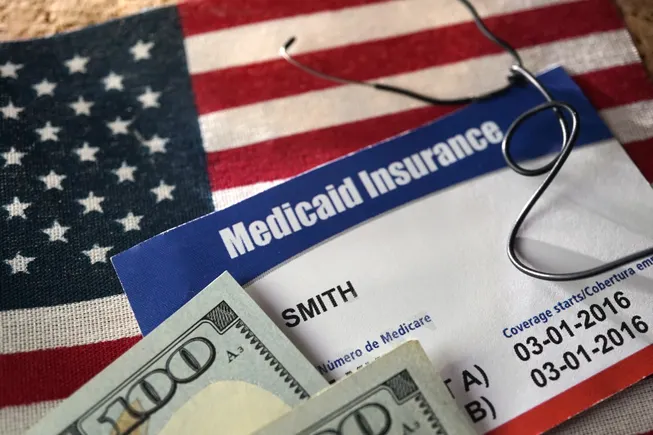
Medicaid eligibility review paths diverge across states, posing challenges for cross-state comparison and fairness assessment
As Medicaid eligibility reviews fully unfold after the pandemic, states differ significantly in operational procedures, prioritization, and data reporting, making cross-state comparisons and national conclusions difficult to achieve. Experts worry that high rates of procedural disenrollment and coverage gaps in states that have not expanded Medicaid leave vulnerable groups at higher risk.

The Potential and Ethical Challenges of Generative AI in Healthcare: A Summary of Expert Perspectives from the HIMSS Conference
Generative AI is accelerating its entry into the healthcare sector, but its rapid deployment and lagging regulation have sparked ethical controversies. Experts at the HIMSS conference discussed the potential of models like GPT-4 in scenarios such as clinical documentation and medical record summarization, while warning of risks including the "black box" problem, hallucination phenomena, algorithmic bias, and ambiguous accountability. Companies such as Microsoft, Epic, Google, Nuance, and Suki disclosed their latest progress and unanimously agreed that AI should be positioned as an assistive tool rather than a replacement for doctors.