
Deep Dive
来自我们记者的行业洞察

Smart Implants Show Promise, but Clinical Evidence Still Pending
With the surge in remote patient monitoring devices such as continuous glucose monitors and wearable heart rhythm monitors, medical technology companies are racing to embed sensors in implants. Zimmer Biomet's Persona IQ smart knee has begun sales, measuring data such as gait and step count, but doctors generally believe that how to interpret and apply this data still requires time for validation. Industry experts point out that this field remains in its early stages, lacking unified data management guidelines, and sensor implantation requires removing more bone, with clinical value yet to be proven by research.
Interstate Telehealth Waivers Expire, Virtual Care Advocates Focus on Long-Term Policy Reform
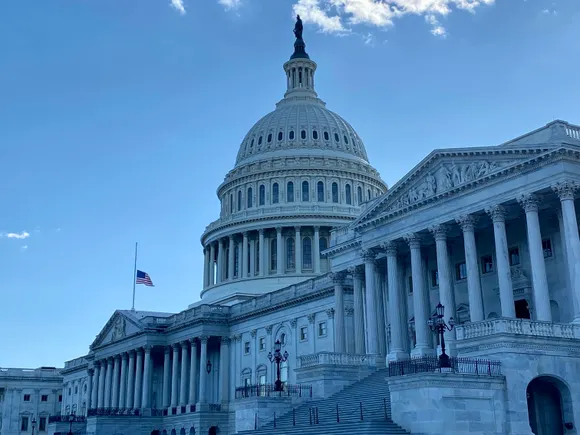
During the pandemic, U.S. states temporarily relaxed interstate telehealth licensing restrictions, but with the end of the public health emergency, most waivers have expired or are about to terminate, leaving millions of patients facing disruptions in remote care. Industry advocates are seeking to reshape the interstate medical regulatory framework through long-term policies such as interstate licensure compacts, reciprocity arrangements, and federal incentives. However, the industry has not yet reached a consensus on the specific path, and state medical boards are cautious due to their reliance on licensing fees for revenue.

Medicare Trust Fund Outlook Slightly Improves, but Researchers Warn Time Is Running Out to Stabilize Medicare Funding
The latest Medicare Trustees report projects that the Hospital Insurance Trust Fund will be depleted by 2028, later than last year's estimate of 2026. However, researchers warn that this improvement may be overstated, and Medicare's overall fiscal condition remains dire, with issues such as an aging population and rising Medicare Advantage spending needing urgent resolution. If Congress delays action, future reforms will become more difficult.

Can Digital Therapeutics Achieve Profitability?
Since the FDA first approved a game-based digital therapeutic in 2020, companies in this field, such as Pear Therapeutics and Akili Interactive, are seeking to expand their market, but face obstacles including physician prescriptions, insurance reimbursement, and patient usage. Although Pear predicts significant revenue growth, experts question its feasibility, while the industry explores new reimbursement mechanisms and prescription processes.

Experts Question FDA's Final Recall Guidance: Where Are the Patients?
The FDA released its final voluntary recall guidance last month. Although it encourages improvements such as electronic communication, experts point out that it does not mandate direct patient notification, does not incorporate UDI use, and lacks regulatory oversight, being criticized as 'five steps forward, three steps back.'

Nurse turnover intensifies, hospitals face dual pressure on both short-term and long-term staffing shortages
The U.S. healthcare system is facing an unprecedented shortage of nursing staff. As nurses leave in large numbers due to burnout, the allure of high-paying travel nurse positions, or early retirement, hospitals struggle to fill vacancies in both the short and long term. This article analyzes the reasons for turnover, educational bottlenecks, and industry response strategies.


Patients' Long-Term Health and Hospital Operational Pressure: Diagnostic and Treatment Delays Continue to Escalate
The COVID-19 pandemic is easing in the United States, but the pace of patients returning to the healthcare system remains slow. Data show that inpatient, emergency, and outpatient volumes have been below pre-pandemic levels for two consecutive years, cancer screening gaps remain unfilled, and hospitals face dual financial and operational pressures. Experts warn that the long-term consequences of delayed diagnosis and treatment may become apparent in five years.

ONC Chief Micky Tripathi on Information Blocking Complaints, Vendor Penalties, and the Future of TEFCA
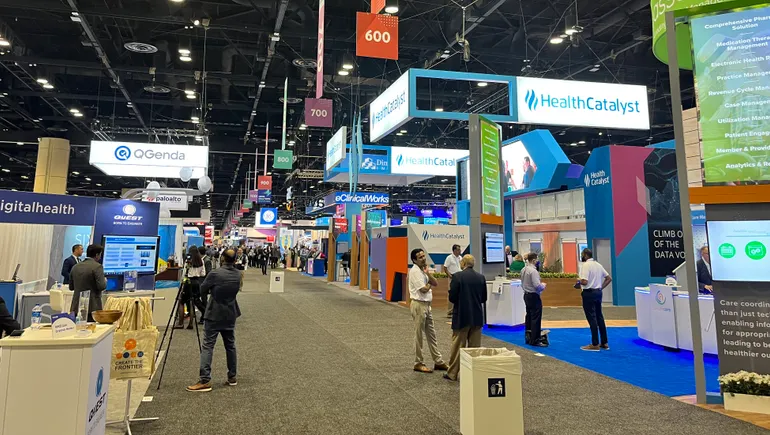
At the HIMSS Annual Conference in Orlando, interoperability took center stage. ONC Chief Micky Tripathi was interviewed, discussing the volume and composition of information blocking complaints, progress on vendor penalties, and the release and implementation plans for the TEFCA framework.
Value Proposition of Hybrid Care Models: Transition Path from Pandemic Emergency to Normalization
The pandemic drove a surge in telehealth use, but demand for purely virtual care has declined in the post-pandemic era. Hospitals are integrating telehealth into long-term digital strategies, with hybrid care models (such as hospital-at-home care) becoming a focus of attention. Experts point out that this model has the greatest potential in the inpatient sector, saving costs and reducing complications, but faces barriers such as culture, finance, and the digital divide.