
Nurse turnover intensifies, hospitals face dual pressure on both short-term and long-term staffing shortages
The U.S. healthcare system is facing an unprecedented shortage of nursing staff. As nurses leave in large numbers due to burnout, the allure of high-paying travel nurse positions, or early retirement, hospitals struggle to fill vacancies in both the short and long term. This article analyzes the reasons for turnover, educational bottlenecks, and industry response strategies.
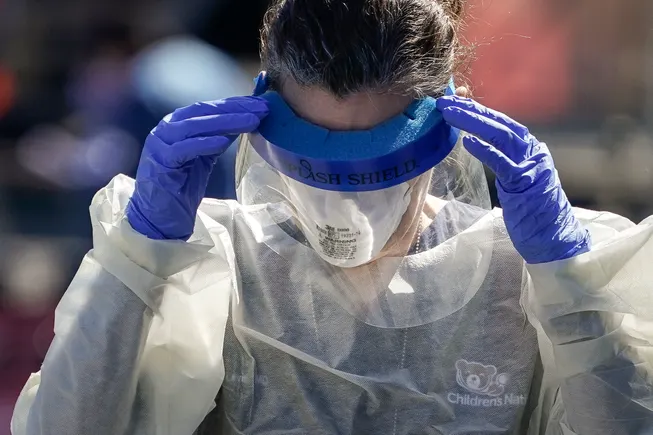
The current healthcare industry is facing an unprecedented workforce shortage, and some hospital administrators worry that the most severe challenges have yet to come. Nurses are leaving in droves—some switching to higher-paying travel nurse positions, others choosing early retirement—while replacing them is becoming increasingly difficult. Meanwhile, many nurses are leaving the profession due to the physical and mental toll of two years on the front lines of the pandemic, making it nearly impossible for many healthcare systems to fill staffing gaps.
The U.S. Bureau of Labor Statistics projects that by 2030, U.S. healthcare institutions will need to fill nearly200,000 nursing vacancies each year, a significant portion of which stems from the need to replace nurses who have changed careers or retired.
"This is the largest workforce shortage we have ever faced," said Gay Landstrom, senior vice president and chief nursing officer at Trinity Health, a national nonprofit healthcare system with 88 hospitals across the U.S.
Although some systems expect that nurses who have left will eventually return, hospital management points out that the shortage—which was already predicted to occur over the next decade even before the pandemic—is likely to persist, driven primarily by an aging nursing population. A 2020 survey by the National Council of State Boards of Nursing showed that the average age of registered nurses in the U.S. is51 years old, and a large number of experienced, senior nurses will retire over the next two decades.
Although public interest in healthcare professions such as nursing has not waned, shortages of nursing faculty and clinical placement sites pose an imminent challenge to the pipeline for training new nurses.
Some healthcare systems are retaining nurses in the short to medium term by improving benefits and establishing internal staffing agencies; others are seeking to strengthen partnerships with academic institutions to bolster their future talent pipeline.
"The role of the nurse should be attractive," Landstrom said. "We need to provide attractive jobs that don't lead to burnout."
Nurses face multiple pressures
During the pandemic, multiple surveys have consistently found widespread stress and burnout in the healthcare workforce. Some nurses report declining job satisfaction, and ongoing staffing shortages have made caring for patients difficult—and for some, unsustainable.
A recent survey of nurses by staffing company Incredible Health showed that more than a third of respondents planned toleave their current positionsby the end of the year, citing burnout and high-stress work environments; higher pay was the top reason for switching jobs.
The survey also showed that nurses reported an increase in verbal and physical violence incidents, half attributed to COVID-19 prevention rules and the other half to issues such as longer wait times caused by understaffing.
Landstrom noted that shortages of other support staff, such as nursing assistants and patient care assistants, have exacerbated the problem, preventing nurses from fully working within their scope of practice. "We must better train nursing assistants and ensure that both the nursing assistant and registered nurse pipelines are stable," she said.
Nursing schools face faculty and capacity shortages
Despite the pandemic's heavy toll on the nursing profession, the number of students pursuing nursing degrees did not decline in 2020 (the most recent year for which data is available). According to a survey by the American Association of Colleges of Nursing, in 2020, enrollment in entry-level baccalaureate, master's, and Doctor of Nursing Practice programsgrew by 5.6%, 4.1%, and 8.9%, respectively, and has been rising steadily over the past 15 years.
However, that same year, approximately 80,000 qualified applicants were turned away from nursing programs due to resource constraints—primarily shortages of clinical placement sites and faculty.
"I don't think there will be a shortage of people willing to become nurses, but the challenge is how to get them through nursing school," said Rita Wise, director of nursing programs at the Penn State College of Health and Human Development. Wise noted that the faculty shortage stems largely from the requirement that nursing educators hold a master's degree, and nurses with master's degrees often choose higher-paying positions in hospitals or clinical settings rather than teaching.
In addition, nursing students need hands-on clinical experience. Early in the pandemic, hospitals reduced student placements due to personal protective equipment shortages, hindering students from completing the clinical hours required for graduation. Although this has gradually recovered, nursing schools in a late-2020 survey still citedinsufficient clinical placement sitesas the top reason for turning away qualified applicants.
Wise pointed out that hospitals and other practice settings lack incentives to take on students, because teaching requires additional time and resources, straining existing staff, especially amid the current staffing shortage. She noted that Medicare currently helps some institutions cover the costs of teaching, but not all programs qualify. Provider organizations such as the American Hospital Association havecalled on Congressto expand related programs to address the ongoing pandemic-driven workforce shortage.
Academic partnerships strengthen
Two years after the pandemic began, with growing concerns about the future talent pipeline, healthcare systems are still seeking to build partnerships with nursing schools and other academic institutions.
"We need deeper collaboration with academic institutions than ever before," said Trinity's Landstrom. She added that the transition from nursing programs to working in healthcare institutions is often jarring for students, especially during times of high turnover, and that this should no longer continue.
Craig Laser, a clinical associate professor at Arizona State University's Edson College of Nursing and Health Innovation, said that in the past, hospitals and nursing schools worked together more closely than they do now, and the pandemic is driving them to strengthen collaboration. Today, hospitals and nursing schools are "discussing supply and demand more than ever," Laser said.
Wise of Penn State knows the value of such partnerships well. She graduated from nursing school in the early 1990s and, as a student, had a paid internship at a local hospital, where she then worked for 19 years. "That hospital really got a return on its investment," she said.