
FDA's New Rule on Laboratory-Developed Tests Takes Effect: A Five-Step Guide to Laboratory Compliance
In May, the U.S. FDA issued a final rule bringing laboratory-developed tests (LDTs) under medical device regulation. This article outlines five key steps for laboratories to address the new rule, covering adverse event reporting, registration, quality systems, and exemption scenarios.
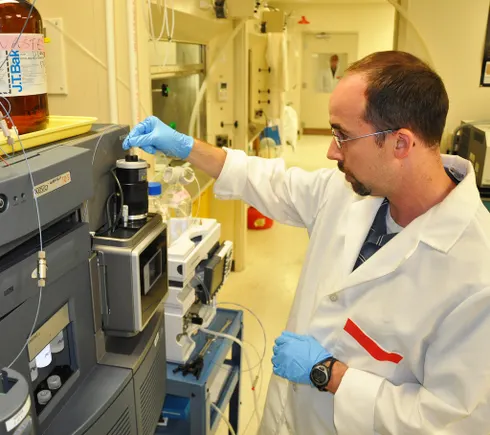
Laboratories are beginning to assess the scale of operational adjustments needed to comply with a new federal rule expanding oversight of laboratory-developed tests (LDTs). Under the final rule issued in May, most tests designed and used within a single laboratory must meet FDA requirements for medical devices. These requirements include adverse event reporting, premarket review, registration, and labeling, and will be phased in over four years.
Although the policy aims to improve the accuracy and reliability of LDTs, health industry organizations warn that the regulations will increase costs and administrative burdens, forcing laboratories to scale back the testing services they offer. Lab executives say LDTs often fill gaps in clinical needs where no commercial test exists, such as for smaller patient populations or those with rare diseases.
"We remain concerned that many important tests developed in hospitals and health systems could be affected by unnecessary and costly paperwork," said Stacey Hughes, executive vice president of government relations and public policy at the American Hospital Association. "This will lead to a significant reduction in patient access to innovative and targeted diagnostic tests."
Laboratory organizations are challenging the rule in court. The American Clinical Laboratory Association and the Association for Molecular Pathology sued the FDA, claiming it overstepped its authority, and the case has been consolidated in the U.S. District Court for the Eastern District of Texas. Industry groups argue that LDTs are already regulated under the Centers for Medicare and Medicaid Services' Clinical Laboratory Improvement Amendments (CLIA) program, making the FDA's rule duplicative.
However, the FDA maintains that the two regulatory mechanisms are complementary: CLIA oversees laboratory operations, while the FDA regulates separate critical activities involving the test itself, such as design, development, and manufacturing. The agency argues that as tests become more complex, the risks associated with LDTs increase, warranting greater scrutiny.
With the final rule in place, laboratories are not waiting for the legal ruling but are beginning to plan compliance efforts. At Yale School of Medicine, the Department of Laboratory Medicine is "all hands on deck," preparing to meet the new FDA requirements, said Alexa Siddon, director of the molecular diagnostics and flow cytometry laboratories. "We strive to provide timely and personalized care to patients, so this ruling is quite concerning for us," Siddon said. "We want to be as prepared and ahead of the curve as possible so there is no disruption in patient care."
Siddon said the laboratory is still waiting for more FDA guidance on the rule's implementation. Staffing to handle the additional work is another challenge facing laboratories. "We don't yet know the scope of its impact, but first we need to understand the experts the FDA expects to help us streamline the submissions we send to the FDA," Siddon noted, adding that each submitted test incurs associated costs and requires personnel to register the test.
The FDA is hosting a series of webinars and plans to issue more guidance documents on specific topics to help laboratories understand and comply with the new rule, an agency spokesperson said in an email statement. Siddon said the FDA may also need to hire additional personnel to oversee all laboratories, "so we may be competing with the FDA for the same pool of potential candidates."
Adam Schechter, CEO of medical testing giant Labcorp, pointed to potential disruptions in patient care during an August earnings call: "The question is, does the FDA have the capacity to approve these tests quickly enough so that all patients can access these important tests as soon as possible?"
As laboratories navigate uncertainty over the rule's impact, lab executives shared advice in interviews with MedTech Dive on establishing procedures to meet FDA timelines. Here are five steps laboratories can take now to prepare for the FDA mandate:
1. Establish a complaint or adverse event handling system
The final rule phases out the FDA's previous "enforcement discretion" approach to LDTs in five stages over four years. Phase 1 began on May 6, 2025, requiring compliance with medical device reporting, correction and removal reporting, and maintaining complaint files.
With the initial deadline approaching, clinical laboratories are trying to determine which situations require recalls, corrections, or removal of products from the market, said Jonathan Genzen, chief medical officer at ARUP Laboratories at the University of Utah. "The boundaries are very blurry to me right now, and I think there is room for further clarification on what should or should not be expected," Genzen said. Laboratories must report to the FDA following the manufacturer's pathway, which is distinct from the adverse event reporting responsibilities tied to certification programs. "As a community, we need to learn how to conduct the evaluation process in the way the FDA expects, so we can come through future audits unscathed," Genzen said. Nevertheless, Genzen called Phase 1 the "least burdensome" of the five phases, as it only applies when problems are identified and does not affect all tests in a laboratory.
2. Prepare now for future phases
Phase 2 will introduce registration and listing, labeling, and investigational use requirements. These requirements take effect in May 2026. Genzen said compiling this data could pose a greater burden than Phase 1. "For many organizations, this will be a considerable challenge, especially those with a large number of LDTs, and the FDA has not clearly specified how to provide this information," Genzen said. For example, it is unclear what type of intended use system is expected, or how device identifiers included in other labeling applications would relate to LDTs. Registration fees are also a factor, Genzen noted, and some laboratories may decide they lack the personnel to further develop tests. "That may be the phase where some labs decide to pull tests from the market," Genzen said.
3. Avoid rework on LDTs under development
Much of the work laboratories currently do to develop LDTs will be subject to FDA requirements within three to four years. Phase 3 will implement quality system procedures in May 2027. The FDA expects premarket review of high-risk LDTs in Phase 4 (beginning November 2027) and moderate- and low-risk LDTs in Phase 5 (beginning May 2028). "If we ignore these now and say 'that's later,' then we'll end up doing a lot of rework," said Stephen Master, chief of the Department of Laboratory Medicine at Children's Hospital of Philadelphia. The FDA's design control approach in the validation process is very different from the framework laboratories are accustomed to under CLIA regulations. "Figuring out how to be compliant and developing the compliance infrastructure is really one of the major challenges laboratories face right now," Master said.
4. Bring in experts
FDA submissions require a significant amount of additional documentation and monitoring, said Inga Rose, CEO of Reference Medicine, a specimen procurement center for oncology diagnostic developers. Ensuring FDA compliance will require building a team that includes full-time employees and consultants with experience in key areas, Rose said. Laboratories will need people familiar with premarket approval and 510(k) submissions, as well as a quality team independent of the CLIA team. Statisticians, process engineers, and experts in software validation, bioinformatics, and laboratory operations provide other specialized skills. "Laboratories should be prepared to consider bringing in external consultants in these different areas," Rose said. Genzen of ARUP Laboratories advises laboratory directors to meet early with colleagues in their company's compliance departments to determine who will ultimately manage the process. "You really need to address this upfront before doing a lot of groundwork," Genzen emphasized.
5. Watch for exemptions
Under the new framework, LDTs already on the market or intended to meet unmet needs will remain under the FDA's enforcement discretion approach. The FDA's decision to exercise limited enforcement discretion for currently marketed LDTs "rightly recognizes that applying its device regulations wholesale to these tests could prompt many hospital laboratories, especially smaller ones, to stop offering safe and effective tests that patients and their communities rely on," said Hughes of the AHA. "The enforcement discretion in the final rule is particularly important," Hughes said. "We also welcome the agency's focus on gaps where FDA-authorized commercially available tests do not meet certain patient needs, such as rare diseases or conditions." LDTs approved by the New York State Department of Health's Clinical Laboratory Evaluation Program are also exempt from the FDA's premarket review requirements.
For early-stage companies without the resources to invest in the FDA authorization process, "this will hurt them," said Rose of Reference Medicine. "There may be new PhDs from universities with great new therapy ideas, but for them, completing the entire process may feel overwhelming." Exemptions for small and startup laboratories, as well as planned discounts on registration and submission fees, could help, Rose said. "I think we'll also see other considerations as more guidance is released," Rose added. "How all this will work is still being sorted out."