
Deep Dive
来自我们记者的行业洞察

VA deploys Oracle EHR to 3 medical centers in Indiana
The U.S. Department of Veterans Affairs deployed the Oracle electronic health record system at three medical centers in Indiana, marking the third round of rollout this year. The system now covers 11 hospitals, with plans to complete deployment at 13 sites this year. After a three-year pause due to technical issues, it is now accelerating, aiming for full coverage by 2031.

Health systems warn patients of MyChart phishing scam
Over a dozen US healthcare systems recently issued warnings that cyber scammers are sending phishing emails impersonating Epic's MyChart patient portal, using free "senior health packages" or "MyChart Medicare toolkits" as bait to lure patients into clicking links and providing personal information. Organizations such as Texas Health, Avera Health, Methodist Health System, Premier Health, and Sentara Health have all issued alerts. Epic stated that such attacks exploit MyChart's brand recognition and are not due to system vulnerabilities, but advised users to remain vigilant against suspicious emails.


Doctors say they feel pressured to prioritize corporate interests over patients: report
A new survey commissioned by a physician advocacy group shows that nearly half of doctors employed by corporations feel compelled to prioritize patient volume over quality of care; 63% of doctors say employer policies make it difficult to refer patients to out-of-network facilities.

Deloitte Survey: Healthcare CFOs Confront Decision-Readiness Gap Amid Rising Expectations
Deloitte's 2026 survey of healthcare CFOs finds a wide 'readiness gap' between expectations for their involvement in critical decisions and their actual preparedness, particularly in areas like consumer affordability and AI adoption.

Humana Plans to Exit More Medicare Advantage Plans in 2027
Humana, while reporting its second-quarter 2026 earnings, stated it will further exit certain Medicare Advantage plans in 2027 to optimize capital returns and achieve long-term margin goals. This move is expected to affect approximately 600,000 members, and the company plans to retain about 40% of departing members through other plans.

UHS deal exposes pitfalls of physician group acquisitions
After months of waiting, physicians at Medical Faculty Associates in Washington, D.C. received notice in late May that their loss-making physician group would be absorbed into Universal Health Services (UHS), one of the largest for-profit healthcare organizations in the United States. However, the rollout of new contracts has been fraught with setbacks: apparent benefit reductions, slow responses to questions, obscure contract terms, and even some considering litigation. As the July transaction completion deadline approaches, some physicians have refused to sign, fearing a significant exodus of talent. Experts say standardized integration is industry practice, but poor communication may intensify conflicts.

One year in: How medtech companies are coping with tariff challenges
A year ago, the Trump administration imposed tariffs on major trading partners under the name 'Liberation Day,' aiming to promote manufacturing reshoring. However, in the highly globalized medical device supply chain, companies have not shifted production on a large scale, but instead have absorbed costs through internal cost reduction, supply chain diversification, and tariff exemption applications. Industry analysts point out that tariffs have a significant impact on profitability, but companies prioritize protecting R&D and customer relationships. As policy tools shift from IEEPA to Section 122 and 301, the industry still faces uncertainty, but most companies have come to treat it as a normal operating variable.
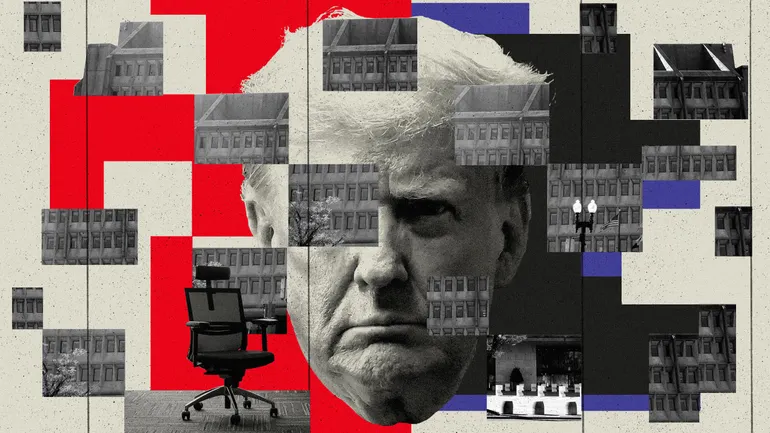

CMS tackles big policy changes with diminished workforce
A year after large-scale layoffs at the Department of Health and Human Services, CMS has lost approximately 300 employees while taking on historic policy changes, including the first nationwide Medicaid work requirement, health technology initiatives, and stricter anti-fraud oversight. Although less affected than other agencies compared, staff attrition and low morale may impact its policy implementation.